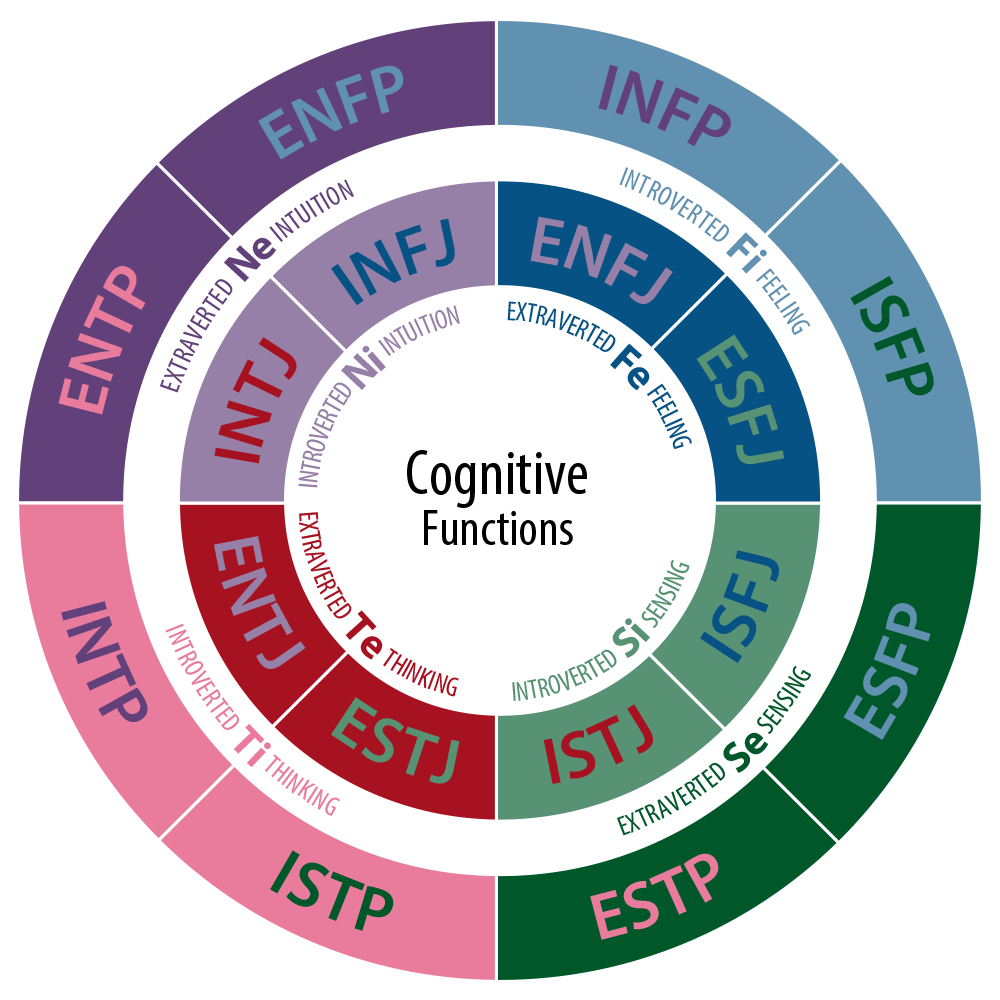
Showing posts with label mbti. Show all posts

Monday, January 16, 2017

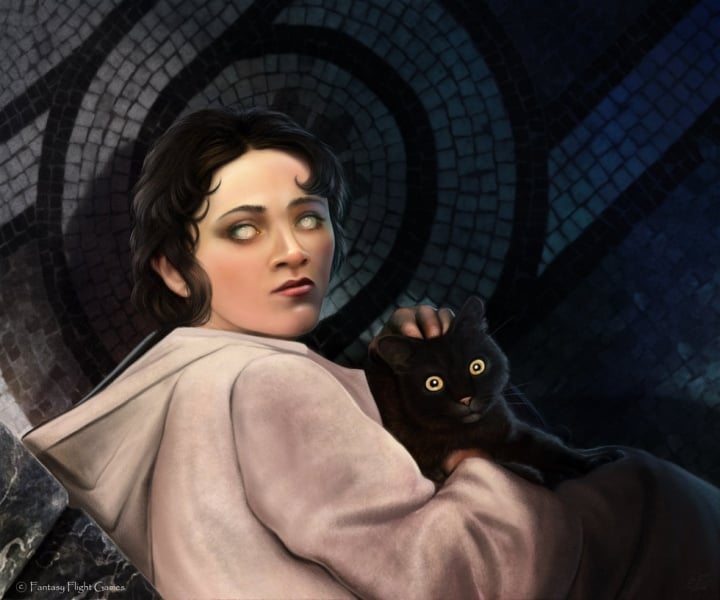
A Song of Ice and Fire- Sansa Stark (INFP)


Introverted Feeling (Fi): Sansa is proud of who she is, as a Stark and a proper lady. She has trouble at first sympathizing on a deeper level with others because she’s so in tune with her own emotions. Sansa is a very compassionate girl, even pre-development, but she truly empathizes best when she has some personal connection (ie Sandor’s talk about knights, his saving her, and knowing his tragic back story). In A Game of Thrones she’s very focused on what she values most: becoming queen and enjoying her Southron life, and is devasted when Ned says he's taking it away. She doesn't open up to her deepest emotions easily, and can be cold at times, if a matter isn't important to her herself, leading her to initially be a bit self-centered. She tries to get Arya to go to the wheelhouse with the queen and princess by appealing to her with things Sansa personally likes (lemoncakes and music), not realizing her sister doesn't necessarily like the same things she does. She's sensitive and is very hurt when she hears criticism, even from Joffrey, in spite of knowing his petty insults don't really have any power. Due to her upbringing, she usually plays the part of the obedient daughter because she's good at it and likes the positive reinforcement she gets for it, but after her wake-up call her Fi becomes healthier- about Sandor, who was mean to her, and Sweetrobin, who none of the lords care about. Kindness is very important to her, and she decides she will rule with love instead of fear as Cersei advises, if she ever becomes queen. She finds it a bit hard to stay Alayne sometimes, because she has such a deep sense of self as Sansa Stark.


Extroverted Intuition (Ne): Sansa is at the beginning of the books is very dreamy and doesn't entirely live in reality.  She sees life as a fairy tale like in the songs, sees things as they could be, her idealized version of them: King’s Landing being so magical, Ser Dontos as her "Florian”, Margaery being her ideal big sister (when she’s actually manipulating Sansa). She tends to see the good in people (at first), and later she often correctly guesses the motives of people under Littlefinger's teachings. While Arya immediately dislikes the Lannisters without knowing any of them because Jon insulted them, Sansa senses that Jon is just jealous because he's a bastard (which is true). She sees what’s REALLY going on that others miss, noting that Joffrey is much more of a Lannister than a Baratheon, something the adults never realized. She’s at first willing to ignore Joff’s behavior at the trident to keep her dream of a fairy tale life from shattering. Even after she drops the rose colored glasses, she does keep some optimism and always hopes for a better life later. She struggles to see where Petyr ends and Littlefinger begins, and is never sure of who is the real deal. She learns to make up convincing lies easily and adopt a new persona as Lord Baelish's bastard daughter.


Introverted Sensing (Si): Sansa is proud of her Northern heritage and is always reminding herself that she is a Stark. She constantly refers back to songs, stories, and facts about people she’s learned and compares it to what’s going on currently. She sees Joffrey as the dashing prince who will marry her and fulfill her dreams because that's how it works in the stories. She misses home badly, and at the Eyrie shows her remorse through making a little snow  replica of Winterfell. When in need of comfort, she goes for her favorite books, songs, or food. Sansa fits the traditional role of a noble lady very well and is happy with that position because it's always been good to her.  It’s no secret that she tends to… remember things very subjectively. She’s again, very observant- she notices external details quite well ("[Littlefinger's] eyes did not smile when his mouth did"). She’s worked at becoming an accomplished lady for years and has many talents as a result. She knows what society expects her to do and is able to fit the role of a lady well. She bases much of her Alayne Stone persona as a noble bastard on her half-brother Jon Snow (being fourteen years old, being brave, not liking to dance, etc.).


Extroverted Thinking (Te): Sansa is able to be proactive- Father backing out of his promise and says he's shipping the girls home? Go ask the queen, the authority figure, to stop him. Father on death row? Go to Joffrey at court, charm him, and appeal for her father's life. At her worst, Sansa can be bossy and rude when she perceives something as incompetence, unfair, or irrational. When she and Sweetrobin must cross the narrow snowy bridge alone, she is able to keep herself and the boy calm, coach him and keep him focused until they're safely across. As Alayne Stone, she is able to run a household efficiently by herself and be more blunt in her views with people. She sets goals and works to meet them (get Cersei to convince Father to let her stay, do what she wants to keep the betrothel, win over Harry, etc).

Note: I don't know about TV!Sansa (who is both written differently from her book counterpart and has become inconsistently written anyway), but I would think she is still an INFP. I do think Sansa values social harmony to a degree, but because she's been taught to and because she personally dislikes conflict ruining her good time. Westerosi society values the Introverted Sensing a lot, especially in its women, so Sansa’s been taught to exercise it more- and it helps that both her parents are Si-doms, I don't think she uses it enough to be an ISFJ, and she gets bored or tired of people's company when she's around it too much and lives inside her own head, ruling out an extroverted type.

Wednesday, October 12, 2016

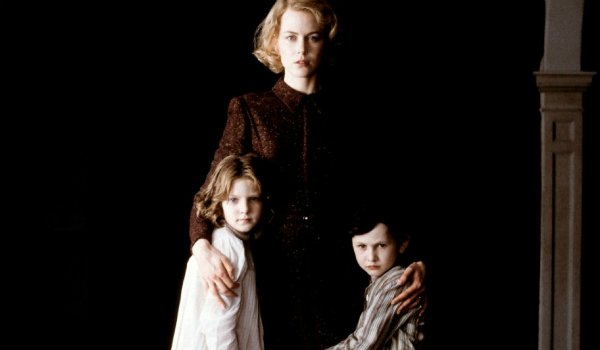
Halloween MBTI: The Others- Grace Stewart (ISTJ) [Spoilers]

Introverted Sensing: Grace is pragmatic and methodical, the voice of reason (or so she thinks) to her children’s “silly” ideas. The house has always been managed a certain way, and expects her new servants and children to follow her rules.  She’s happy with this routine. She adheres to Catholicism and recalls details about it when teaching, disciplining, or comforting her children (and gets angry when Anne corrects what she knows about purgatory). It is primarily Grace’s roots in reality and her strong memories of how life used to be in the house was before her and her children’s deaths that keeps her from seeing she is, in fact, dead.


Extroverted Thinking: Grace has a smooth, efficient way of managing her household by herself and gives orders easily. There’s a place for everything, and everything in its place. Upon the arrival of her new servants, she assigns each of them to certain jobs and rooms that will suit each person best, and doesn’t stop to make many pleasantries when things need to be organized. She usually controls her emotions, keeping “a cool head” and doing what needs to be done. She makes them study in separate rooms for talking too much, and makes Anne stand and read aloud from the Bible for three days straight until she confesses to lying. Grace trusts what she knows, and doesn’t believe anything until she sees evidence of it herself, insisting things have explanations (“Something traumatic must have happened to [Lydia]” to make her mute).

Introverted Feeling: If Grace feels uncomfortable talking about something, she won’t talk about it, and gets annoyed if pushed to do so. Her own set of values are very important to her and she doesn’t change them for anyone. Catholicism matters deeply to her, and she tries to instill its values in her children. She doesn’t express her feelings or affection towards the kids much through words, instead comforting Nicholas with a rosary and kiss. She sobs in private when she misses her husband. Despite being cold sometimes, she’s extremely protective of her children. She is offended when someone makes her feel incompetent, such as when she thinks Mrs. Mills suggested it was Grace who unlocked the door and endangered the kids and when her daughter calls her out for being wrong about what the Bible says.

Extroverted Thinking: Grace dislikes “fantasies”, “strange ideas”, and refuses to believe Anne about the “strangers” for most of the movie. She’s disturbed by the superstition of photographing dead relatives. But she does try to open her children’s minds more about Hell and describes it imaginatively, and shows them another point of view about denying Jesus. She senses there is something more to Lydia’s muteness than what Mrs. Mills told her and senses something that isn’t human in the junk room. By the end of the movie, Grace has finally accepted her fate and opens her mind to the idea of the afterlife. She admits she isn’t sure whether or not Heaven or Hell are real.

Friday, August 19, 2016

Gravity Falls- Ford Pines (INTP) [Spoilers]


Ti- The endless mysteries of the world captivate Ford to no end, and he’s forever chasing them- always wanting to know more, always thinking, and dedicating himself to solving life’s puzzles. He figured out how to make a lightbulb that never burns out in just a few hours! He is able to be make tough decisions to achieve his ends, works well under pressure, and is tactical (like placing a metal plate in his head to keep Bill Cipher out).  

Ne- Ford loves the endless possibilities in his line of work. (examples) He collects highly dangerous objects because they fascinate him (even lets his young nephew get ahold of them). He’s so caught up in the bigger picture that he rarely sees the potential consequences of his actions- like, say, making a deal with a dream demon or carrying around the infinity-sided dice, and this open-mindedness makes him rather naive, despite his great ingenuity.

Si- As a scientist, Ford will patiently study as much as he can about whatever he’s interested in to glean all the details of it. He wants his old life back- with his brother out of his life for good so he can continue studying anomalies. He wants Dipper to carry on his life’s work and sees him as a younger version of how he used to be.


Fe- Growing up, he felt very hurt his extra-fingered hand and intelligence gained him mockery from other kids. Unlike Stan, who was also hurt but cared far less what other people thought, Ford wanted acceptance and to connect with others, which he eventually does with Dipper. As an adult his need to be admired gets exploited by Bill. He believes in doing things for the greater good and tends to accidentally belittle others’ feelings, leading him to appear quite cold to Stan, who operates on a very different and very personal moral code (Fi-aux). 

Disney's Beauty and the Beast- Belle (ISFJ) [Retyping]

Taken from But We've Met Before, my Disney blog.


Introverted Sensing (Si): Though Belle says she wants excitement and adventure, she never actually does anything about it. She stays in town, performing the same routine every day: go into town, get books, read them, do some chores around the house. It bores her, but it's what she knows and is comfortable with. Later, she eventually falls into the same routines, reading, taking walks, feeding the birds; the only difference is she's doing them in a magic palace now! Everything she concludes about her stay in the enchanted castle, she knows from her fairy tale books. In "Something There", she muses over her feelings for the Beast that differ so greatly from what she has come to learn about him (well, he's BEEN a big, terrifying brute with a bad temper- why should I care about him so much now?).


Extroverted Feeling (Fe): Belle is well-mannered, very proper, and though she's not stimulated in her village, she never makes a big fuss. It bothers her a little to not fit in with her community. She thinks Gaston is boorish but never snaps at him, just politely engages with him, even when he damages her book. She is able to flatter Gaston to get rid of him, and similarly manipulates Lumiere and Cogsworth so she can sneak off to the West Wing. However, overall, she doesn't always express her deeper emotions (though she WILL assert herself when she needs to) if she thinks it will hurt others, and this almost cost the Beast his life. She doesn't always try to empathize with the other person (but still sometimes expects others to somehow just know how she feels).


Introverted Thinking (Ti): Belle is intellectually curious and greatly enjoys learning. She sees past appearances, which is why she is willing to stay with the Beast after all despite him frightening her. She knows that just because Gaston is handsome and popular doesn’t necessarily mean he is a kind person. The Beast, like Gaston, was rude and boorish to her, but she notices his kindness when he gives her a better room and then rescues her. Belle isn’t necessarily good at reading people, but she is good at analyzing situations. When she wants Gaston out of her house, she doesn’t tell him to go, but finds a way to him to the door and make him leave anyway. She is fascinated by the many secrets the enchanted castle might hold.


Extroverted Intuition (Ne): Belle is dreamy, yearning to escape her small-town boredom and have "adventure in the great, wide somewhere", never specifying exactly what kind of adventure it is she wants; she just likes the idea of seeing things and getting away from her village of "little people".  She loves books, especially fairy tales, because they spark her imagination. She is able to see different sides of people: the rude side of Gaston nobody else in town seems to see, and the gentleness beneath the rude, gruff exterior of the Beast. She wonders what the rose is, and what's its connection to the Beast (or the young man in the portrait, for that matter)?


Reason for retyping: After discussing it with isfjmel-phleg (my MBTI source, I suppose?), I stand corrected; ISFJ makes more sense. She makes far more decisions based on how she is feeling than an INTP would, even though her Ti and Ne are quite well-used.

Monday, August 8, 2016

Steven Universe- Lapis Lazuli (ISFP)


Introverted Feeling- Lapis is brimming with emotions that she at times cannot control. She holds onto her resentment towards the Crystal Gems for unknowingly keeping her inside a mirror for thousands of years, and even when she befriends Steven, who tries to get her to realize they meant no harm, she still does not want anything to do with them because of their involvement in her prison (no matter that none of them knew she was in there). She does not trust others easily, but when she does, she’s an incredibly loyal friend. She goes out of her way to protect Steven and even the Gems- not because they mean anything to her, but because Steven means so much to her and he loves the Gems. She doesn’t want to room with Peridot because of the latter’s imprisonment of her in the past, and is quick to decide she dislikes her before giving Peridot a chance. However, when Peridot shows she means well by giving her a gift, Lapis does appreciate it. She admits she enjoyed using Jasper as a chew toy for her own rage. She doesn’t always know how to empathize with others (understanding why Steven trusts Peridot, or that the Gems aren’t to blame for the mirror).


Extroverted Sensing- Lapis is good at working in and with her environment. She uses with whatever she has on hand- using the earth’s ocean as a giant step, or making shapes from it to fight off foes, or using Steven’s own words to communicate with him while stuck in the mirror. She’s usually more observant than the other gems- Sapphire and Ruby are wasting the game flirting, that’s what’s going on. She knows how dangerous Malachite is but enjoys the power the fusion gives her and having such a release for her rage and pain. Steven shows her how vast her new home really is and she is shown to appreciate the beauty and experience of it.


Introverted Intuition- Lapis single-mindedly just wants to go “home”. At first it’s just Homeworld, but when that proves to be impossible for her, she struggles with finding somewhere else she can be at peace, feeling trapped wherever she goes. She sees a way to trap Jasper when all hope seems lost (albeit not a long-term one, as she quickly realizes she cannot hold back Jasper forever in this fusion state). Water holds very unpleasant symbolism as her dark prison, so she rejects the pool Peridot attempts to give her.


Extroverted Thinking (Te)- Lapis deals with problems as they come and solves problems the most direct way. When she needs to go home, she makes a water tower to physically reach it. She uses the weight of the ocean to hold down Malachite. Imprisoning Jasper is exhausting and takes all her concentration, but what other solution is there? She acts on her emotions- crushing Peridot’s tape recorder- and flat-out tells the other gem she doesn’t want her around. She can be blunt and shoots down ideas she thinks are awful (“This plan sucks”), although she doesn’t offer alternative ones. 

Tuesday, May 24, 2016

Over the Garden Wall: MBTI Chart


Finally finished!

Wirt- textbook INFP. Brimming with emotions and easily embarrassed, artistic, civil, a bit selfish. He goes through a great arc of using all four of his functions: Fi (he's sensitive, values his individuality, and there's his initial self-centeredness to valuing his brother over himself), Ne (paranoia + indecisiveness to seeing connections and third options to take), Si (wanting to settle into the Pottsfield for a sense of normalcy + later reflecting on his mistakes and learning from them), to finally, his weakest function, Te (becoming more decisive and assertive in a healthy way).

Greg- ESFP. Outgoing, adventurous little cutie pie. He lives for new experiences and is afraid of very little (Se) and wants to "make the world a better place" (Fi). He's better at making decisions than Wirt (Te), but isn't very perceptive (low Ni). I consider him to embody the very best qualities of an ESFP =)

Beatrice- ENTJ. I think I'd have trouble typing her had my friend over on tumblr not done her typing first, because I'm less familiar with ENTJs, but after studying Bea and the ENTJ personality type both, I see it. Beatrice just wants to get stuff done the most efficient way (Te) to reach her goal (Ni) using what she can and taking chances when they present themselves (Se) all of which are motivated by her love for and loyalty to her family (Fi). Unlike Wirt, she already uses her first three functions pretty easily, but is a bit of a typical ENTJ who needs to use her Fi more, since she initially is pretty rude and blunt with Wirt, judging him as a spineless wimp until he proves her otherwise (oh, stereotypical Te to the max).

Greg's Frog (Jason)- ISFP. Obviously as a non-speaking animal, he's harder to type, but if he has one, it'd be ISFP. He clearly loves Greg as much as Greg loves him and puts up with their crazier adventures without fuss, and when given the chance to get a good musical career, he turns it down because he cares more for the boys, even if he gets nothing out of it (Fi). Again, as he doesn't talk he kind of has to actively do anything, but he has shown to try to communicate in his own way since the beginning and still prefers to act on his desires, so I'm counting it as Se, as well as being highly adaptive and musically talented, despite never even speaking before, much less singing, and can be impulsive (like eating Whispers' bell). He doesn't use much of his lower functions, but his Ni does come out a bit when he manages to understand what the boys are saying.

The Woodsman-  ISTJ. A loner dedicated to his daughter even though it seems fruitless, all because he never thought to question the Beast telling him there way no other way, and he uses his previous skills as a woodcutter to solve the lantern problem (all Si). He's unhappy with his "burden" in life but does it without question or much complaint- because what other choice is there? Let his daughter's soul perish? He works hard and lets nothing stand in his way of work... until he meets two lost brothers being stalked by his nemesis the Beast and feels a strong need to protect them, though they don't have anything to do with him (Fi- and it being lower may contribute to his awkward social skills). His low Ne accounts for his inability to guess the Beast's weakness as Wirt, a strong Ne user, does.

The Beast- INFJ. An abominable being obsessed with keeping his own soul preserved in the lantern and highly perceptive about others' weaknesses (Ni) which he manipulates with his very affable, polite manner to achieve his goal (Fe), as well as analyzing and questioning them and creating near-impossible tasks for Greg to complete (Ti). His Se comes out when he sees chances to further his agenda (like making Wirt his new lantern bearer) but ultimately does not use it enough, because he fails to anticipate that Wirt has changed.

Enoch- ISFJ. Probably my favorite character! Like Jason, he doesn't use his two lower functions much, but his Si and Fe are obvious enough to see he's an xSFJ and he clearly enjoys the privacy and mystery his costume allows him, making him seem more introverted. He's a good leader of the village and values how they've always done things, strictly enforcing and following his own rules (Si) and underneath the pretend-creepy exterior used to protect his villagers, is an actually kind, affable character who enjoys festivity and goes fairly easy on the boys despite committing such awful "crimes". I can, however, see some Ti in his "evil" persona- quietly, coldly questioning the boys, as well as Ne in his creative costume and persona and seeing that they'll return someday to Pottsfield- in another time.

Miss Langtree- ESFJ. Langtree is utterly depressed that Jimmy supposedly left her, and is so hurt she lets it affect her job. She still clearly loves her students, though, and is very kind to them and the boys, as well as doling out punishment when sees an honest need for it when she thinks one is misbehaving. She also honors her supposedly irate father's wishes when it upsets her to and values chivalry in a relationship (Fe). She respects the rules laid out, from students being on time to her father's taking away the instruments, even if she doesn't agree with the latter. She clearly believes in a traditional relationship of courting and is devastated when her boyfriend appears to disregard them. Even when she's pleased with how the benefit concert turns out, she still has to find a way to compare it to Jimmy Brown and what he's done to her in the past (Si). She's only got one episode and is in a bit of a rut with her first two functions (and while a bit dramatic, really needs to use her Ne more) but her type is obvious.

The Tavernkeeper- ESTJ. She speaks for the whole tavern, full of authority and the ability to organize her external environment with ease. She demands to know who Wirt is to know what role he plays, and is blunt, kicking out Beatrice and blaming Wirt for letting her in (Te). She knows how the story works that the characters are in, and wants to know how Wirt falls into it, because everyone plays a part. She's very aware of the history with the Beast, and (Si). Social harmony is not her concern in the tavern; respecting how she wants it to be is (Fi). She is superstitious and determines that the Woodsman must actually be the Beast, as he's never seen without the lantern (Ne).

The Toymaker- ENFP. Whimsical and enjoys throwing out ideas of who Wirt is and what kind of wedding they'll give him (Ne). A very jolly, kindly man, but one who is a bit more concerned about the story roles than Wirt's own feelings on the matter, as it's more important to him (Fi). Take-charge and organizes a "wedding" using everyone in the tavern available (Te). Like the Tavernkeeper, he understands the story and works well within it and insists Wirt must be somebody in it (Si).

Quincy Endicott- ESFP. Much like Greg, he enjoys a good time and is up for an adventure in the mansion even if he's terrified of seeing that "ghost" and clearly enjoys the finer things in life. His paranoia leads to him to behave irresponsibly and get too caught up in the moment (Se). He's a genial man who treats the boys to dinner after learning they're his supposed family, rewards Greg's helping him, and is deeply offended to be accused of murder and theft (Fi). While he prefers to let Greg lead and forgets to feed his pets, he does suggest an obvious solution to Greg's questioning ("Look, why don't I just TELL you when we get there?"). He's not very concerned about the future and his intuition is a bit off (it MUST be a ghost! No other conclusion!) but he does think deeply occasionally, suspecting he's going mad and the ghost isn't even real at all- the latter of which turns out to be right (Ni), and he has a bit of an identity crisis initially thanks to that weak Ni ("I sometimes don't know where, or who, I am!").

Lorna- ISFJ. Lorna is comfortable at home (especially proven by the end of the episode), though tired of the rut she's stuck in doing nothing but chores all day. However, she accepts it- it's how things have to be, and she never seems to have tried to find another way to get rid of the curse (weak Ne), which shows a very cautious side (Si). However, she's willing to drop that caution when she develops a crush on Wirt and appreciates his wanting to help her. She's very kind and polite. In the end, she can't bear to leave Auntie Whispers, whom she knows will be lonely without her (Fe).

Auntie Whispers- ISFJ. Whispers loves Lorna sincerely, but is content to keep the spirit at bay the same way she always has: keeping Lorna distracted with chores. They've developed a routine in life and she likes keeping it that way (Si)... For mainly selfish motivations. She certainly cares about Lorna, but has never used the bell to free her because she was afraid her only companion would abandon her. She attempts to scare the boys away from Lorna, but never tries to harm the children. She is a bit emotionally manipulative too- "You know I do this for your own good, child" and "I suppose you won't be needing old Auntie Whispers anymore..." (Fe).

Sara- ISTP. Sara is a smart girl with a dry wit, and she likes engaging in logical debate and owns up when another's logical conclusion makes more sense ("You’re limiting the universe to only things humans could understand." "No, you’re limiting the universe by limiting the possibility of human understanding!" "Oh, yeah, maybe."). She tends to act on what makes sense to her, like (Ti). She likes working as the school mascot, dancing around showing school spirit, and enjoys the spooky atmosphere of telling scary stories in the graveyard and goes all-out as a creepy skeleton clown. She also mentions she used to be a a ballerina before her mom made her quit and do wrestling (Se). She's very calm, friendly, and makes friends of different groups easily. She isn't interested romantically in Jason Funderberker and doesn't encourage him to pursue her. She tries to include Wirt and invite him along, making her interest rather obvious (Fe). Don't have much evidence for Ni, But I don't think she uses Se over Ti.

Jason Funderberker- ENTP. He shows up to the party in a strange costume, has a somewhat offbeat sense of humor, and wishes to see what's on the tape, guessing it's going to be humorous (Ne). He's outgoing, unassuming and sociable with everyone, unaware of Wirt's one-sided rivalry. He shows affection towards Sara outwardly but backs off when she isn't interested (and is quick to start another relationship with the blonde bird girl) (Fe). He seems to be a traditional romantic, trying to court her at the party and hold her hand before going further romantically, and likes classic ghost stories. No evidence for Ti much, but he shows no Fi at all, kind of in a Ne-Fe loop.

John Crops- ISFJ. John dreams of the "big city" but has never actually left until gently prodded to go by the boys he meets. Once he experiences the city for himself and has a little old-fashioned romance with the cabbage lady, he decides his old life in the country is what he wants most after all. So and and Cabbage head back to live on his farm with the garden cat and settle into a traditional life. Pretty Si. He's incredibly friendly, easygoing, and connects to the boys easily, even letting them keep his car. His intro scene, in fact, is him lamenting about how lonely he is and wants to find someone to love. Very Fe. His dreams of another life outside the one he knows and idealizing the "big city" are Ne. He's got his own brand of logic ("Do you think there are geese in the big city?" "I never heard there ain't geese in the big city!") though he doesn't analyze much (he isn't even sure what his organs consist of).

Tuesday, May 17, 2016

Over the Garden Wall: The Beast (INFJ)


Introverted Intuition (Ni)- The Beast’s long-term focus lies with keeping the lantern lit. He obsessively lets nothing get in the way of his means of staying alive. He is constantly manipulating others to ensure it stays lit, and has found a way to do so without ever letting his weakness become known (except when Wirt later figures it out himself). He intuitively reads others’ feelings and desires quite well, such as Wirt’s and Woodsman’s love for their family members, and exploits that to further his agenda, and he tends to correctly anticipate where the boys are heading everywhere in the Unknown.

Extroverted Feeling (Fe)- The Beast masterfully manipulates others by playing on their emotions. He gets the Woodsman to chop wood for the lantern for such a long time persistently because he constantly plays on his fears of the fate of his “daughter’s” soul, and successfully guilts him too- doesn’t he care about his daughter? He’s courteous and affable with all he meets, insisting he’s trying to help. When Greg frustrates him, he stays patient and calm with him, even compliments his diligence. But when his temper does show, it’s frightening to behold. If the theory of the Beast being behind Cloud City and the Queen of the clouds is true, it shows that he knows exactly how to give people what they want.

Introverted Thinking (Ti)- The Beast has no qualms about hurting anyone, even an innocent child like Greg, to achieve his goal. He politely questions people, is good at analyzing their weaknesses, and comes up with seemingly impossible riddles for Greg to solve to exhaust him. He’s furious when Wirt is able to out-think him and spots the Beast’s weakness.

Extroverted Sensing (Se)- The Beast sees opportunities to help himself, and takes them (first tricking the Woodsman into carrying the lantern, then getting Greg to go with him, and later offering a deal to Wirt). However, he is mostly passive and reliant on others to carry out his work, and his plan would have almost worked had it not been for Wirt’s change of heart, which the Beast was not prepared for and couldn’t handle.

Sunday, February 14, 2016

Disney's Pocahontas- Pocahontas (ISFP)


Introverted Feeling (Fi): Pocahontas feels strongly about most things, but rarely shares these feelings with anyone but a select few she is very close to. She is deeply offended by John's calling her people (and by extension, her) "savages", but instead of talking it out with him, she silently leaves in a huff. Pocahontas hates conflict and will usually go out of her way to avoid it. She wants peace between her tribe and the white explorers more than anything and is willing to throw herself in harm's way if it means achieving it, because she's so steadfast in her values. She feels a need to stay true to herself and find her own way in life, even if it's not what anyone in her tribe does.


Extroverted Sensing (Se): Pocahontas is free-spirited, loves a thrill, and new sensations- diving off a towering waterfall, running through the woods, spying on the strange settlers. She's deeply in tuned with her environment ("But I know every rock and tree and creature has a life, has a spirit, has a name"), and shows John how to experience the most out of it ("Colors of the Wind" is a great example of Se, really). She is excited to hear about how different London is from the home she's always known.  She can be impulsive and quick to take chances when she sees them. She doesn't want to take the path everyone else has taken but instead chooses the rocky, more dangerous stream in "Just Around the Riverbend".


Introverted Intuition (Ni): Pocahontas knows her dream about the spinning arrow means something- she just doesn't know what (and this is probably the biggest piece of evidence of how she is not in fact an INFJ as she's regularly typed is; a Ni-dom would probably have figured out the meaning behind the symbolism a long time ago. It takes her the whole movie to get it!). She wants to know what her destiny is, and won't settle for taking the "smoothest course" because it may be the wrong choice for her.

Extroverted Thinking (Te): Pocahontas is pretty passive, but she can stand up and take charge when pushed to it, like calmly explaining to Powhatan how she thinks she's meant to take another path, and going to save John herself through the most direct way (ie literally standing in the way of Powhatan!).

Monday, February 1, 2016

Gravity Falls- Stan Pines (ESFP)


Extroverted Sensing (Se): Stan has made his living off conning people as he's a good liar and a quick thinker. He recognizes opportunities when they present themselves and isn't afraid to exploit them for his own gain (out of money and brother missing? Pretend to be Ford and charge people to see his house full of weird stuff!). He adapts well to any new lifestyle he has (and he's had a lot!). He works well in his environment, which helps him to be an excellent fighter despite his age (relying on the gravitational anomaly to get rid of the guards and free himself, or using objects at hand in his home to fight the zombies). He spends his time in Gravity Falls secretly sizing up the place to use to his advantage (conning people or preparing for the apocalypse). While it may not be obvious, Stan has a truly creative side; he came up with many of the Shack's fake monsters and created a whole new persona for himself to attract customers as Mr. Mystery with his fez and dapper suit. When Halloween comes around, he likes to go all-out in trying to having fun scaring kids. He has a liking for junk food, TV fights, and is a ladies' man.


Introverted Feeling (Fi): Stan isn't above cheating and lying, but he's extremely protective of his family and has shown he's willing to do anything to save them when they're in trouble. He frequently went out of his way to make Mabel in particular happy (like getting Waddles back from the pterodactyl) because her happiness is so important. He doesn't care if people approve of him, but growing up, he resented being considered the "dumber, sweatier version" of his twin. There's some conflict between him and Ford, as Stan has a certain moral code he believes family should have, and he can't wrap his head around why Ford doesn't follow it too. He's deeply hurt by Ford rejecting him twice, because Ford is one of the few people whose opinion he cares about. He's very tough on Dipper, because his own father was to him, and that's what Stan believes to be the right way to act.


Extroverted Thinking (Te): Stan isn't one to sit and question things; he is decisive and just acts. He takes it upon himself to rescue his brother from the other dimension. He works tirelessly for decades at rebuilding the portal, all the while making a living by turning Ford's house into an anomaly museum. He's got a criminal past because he's able to disconnect emotionally to do what he thinks he needs to do to survive. He's very blunt and bosses his employees and niece and nephew around, expecting them to follow his rules. He's a competent conman and knows how to run his shop efficiently. Despite all this, Stan doesn't really care to be responsible, often letting the kids in his care do risky or stuff (giving them illegal fireworks to play with or forcing them to make counterfeit money).

Introverted Intuition (Ni): Stan isn't dumb, but didn't do well in school due to a lack of motivation. However, he's the one who comes up with the idea to sail the world with Ford, and doesn't let anything get in the way of that. As an adult, he spends his life trying to bring his brother back to their dimension as well as never live in poverty again, though he can't always foresee setbacks to his plans. He's good at reading motivations (such as how he sees right through Gideon's act) and despite his total lack of scientific experience, he is able to figure out how to fix the portal using only his own skills and the journal.

Monday, January 11, 2016

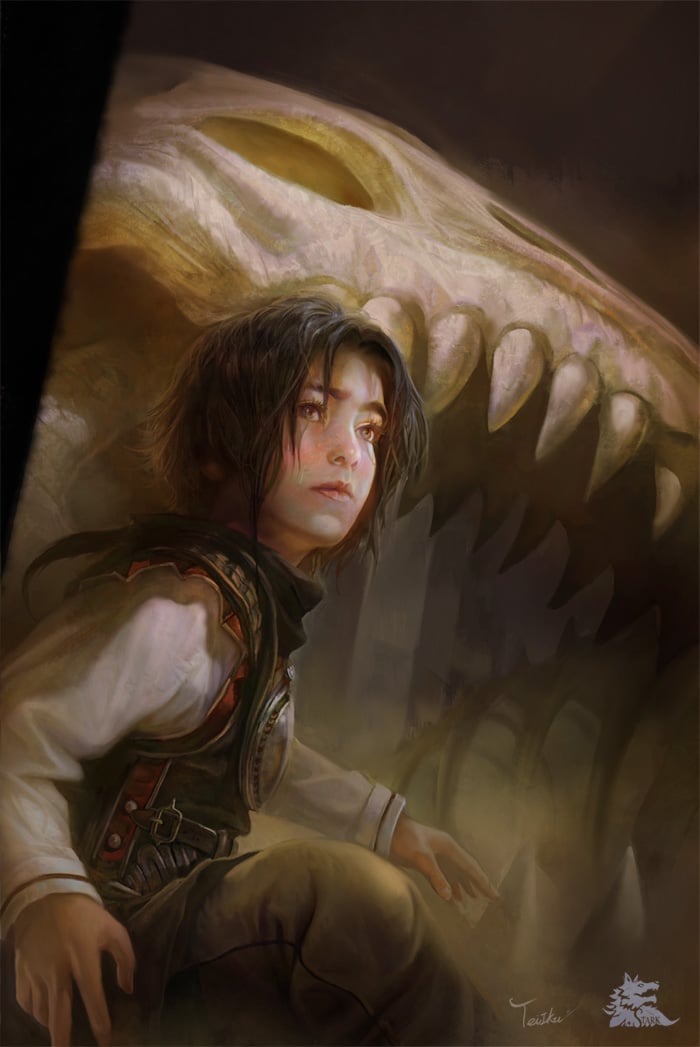
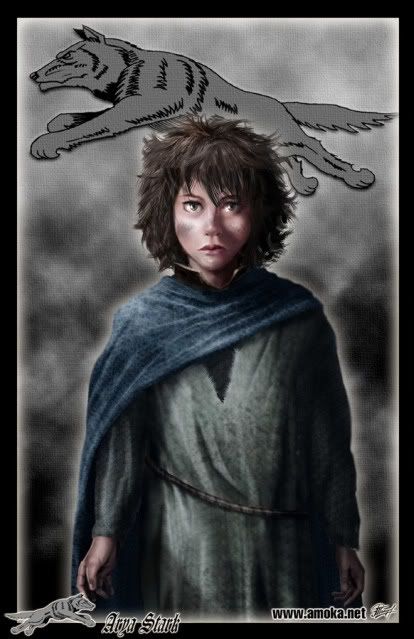
A Song of Ice and Fire- Arya Stark (ESFP)

I'm typing about book!Arya though this can go for show!Arya too.


Extroverted Sensing (Se): Arya is very impulsive and has the bad habit of acting on emotion. She lives in the present and rarely stops to think of how her actions will later affect her and others, like making the butcher's boy practice sword fighting with her or disobeying her father to run off from the camp, which is sometimes a problem even after she learns to be more cautious while working for Lord Bolton. She greatly enjoys physical activities like water dancing, chasing cats, horseback riding, picking flowers, and exploring the wild woods, being easily bored sitting still at lessons with the Septa. She's very resourceful, thinks fast on her feet, and takes opportunities when they present themselves (why trade their valuable horses for an I.O.U when she could trade them for that boat she saw and get away!) and fights quickly before her enemies even know what hits them. She tends to judge people at face value (she dislikes Cersei just because she won't let a dangerous animal into the wheelhouse, for example). She isn't good at fitting into the status quo, nor does she find it interesting, and prefers playing with peasants and squires because they're different and easier to talk to.


Introverted Feeling (Fi): Arya is very emotional and feels intensely about many things. She cares very much what her father and half-brother Jon think of her, to the point that they're the only ones she really listens to. She feels bad for failing to measure up to the noble lady image she assumes her mother has of her, even thinking Catelyn wouldn't want her back when the Brotherhood Without Banners wants to ransom her. She holds herself to a certain set of morals nobody can sway her from, and takes it upon herself to avenge her family and punish people who wrong her, even people she just doesn't like. Some of her false names are related to those she loved (Old Nan, Catelyn, and Nymeria). She has trouble seeing why Sansa pretended to not remember what happened at the Trident and needs Ned to explain why. She doesn't forgive easily and holds grudges.


Extroverted Thinking (Te): Arya tries to have a game plan for anything that might happen. She easily takes on the role as "pack leader" and explains to Gendry, Hot Pie, and Lommy how it's gonna work, and expects them to follow her lead. She's stubborn and doesn't hesitate to tell people bluntly what she thinks of them, even when it's safer to hold her tongue. She isn't afraid to say when an idea sounds dumb and doesn't always have the patience for someone she sees as incompetent. Sometimes she'll state the obvious, if she can't find a better way around a problem.


Introverted Intuition (Ni): Arya is fixated on seeking revenge against the Lannisters, Freys, and Boltons for the downfall of her House, and lets nothing get in the way of this. Her mantras ("fear cuts deeper than swords"; the list of people she wants to kill, etc.) remind her of her goal.  She is determined to get home or at least find her brother Jon at the Wall. She loves the idealistic old songs of the warrior queen Nymeria, and naively hopes to be a warrior herself some day, not seeing the reality that women aren't typically allowed to achieve such traditionally masculine feats. However, for the most part she doesn't always have insight and tends to live in the present.

Saturday, January 9, 2016

Disney, MBTI Stereotypes, and Biases- A Pre-Note

I know, you all think she's an ESFJ (or for some reason ISFJ- where does anyone see "introvert" in her at ALL, I ask you? That girl is one outspoken, party-loving little boss) but after much studying I think while she is an obvious Fe-dom, there's less evidence for her being a Si-aux and I see more Ni than Ne.

I'd also like to take the time to talk about MBTI stereotypes. Why is she stereotyped as an ESFJ? Not usually because people think she uses Fe-Si-Ne-Ti the most, but because "she's so nice and motherly and girly and traditionally feminine and doesn't rebel against her abusive stepmom, CLEARLY she can't be anything else!" I've also noticed that Cinderella (more understandably) and Aurora (much less understandably) get typed as ISFJs a lot too for no better reason other than more or less what I mentioned above. It is always said like a lazy guess, like the typer in question couldn't be bothered to really analyze them and consider that they may not be ISFJs just because they are "nice" and "passive" (which Cinderella and Snow certainly aren't, and that kind of victim-blaming should appall any rational person, I should think. As for Aurora, what is she passive about? She wants more out of life but her current one is still pretty happy. You people just want her to rebel against nothing for the sake of rebelling? OK, rant done...).


xSFJs tend to get the most stereotyping and hate in the MBTI fandom. Coincidentally, those three princesses have gotten the most stereotyping and hate in the Disney fandom (and especially from critics who have never seen their movies since age three and just immediately dismiss them for failing to be as flawless as newer princesses). I think biased, immature people and especially those who don't understand MBTI have a tendency to purposely type their least favorite characters as their least favorite types. Sometimes it's partly because they do not really get MBTI types and how you're supposed to type based on the cognitive functions (Fe, Fi, Te, Ti, etc.) and NOT the preferences (E, I, T, F, etc.) and sometimes the people know perfectly well what MBTI is about and childishly just slap their most disliked type onto a character they can't stand for whatever reason. These people are usually the ones who are offended to discover they may share the same personality type as a character they dislike and cheer when they think they share it with a favorite character. (I'm not perfect; in the past I've not always been much better).

MBTI is, of course, just a tool used to help you understand yourself and other people better. It does NOT define you. You don't need to see MBTI as your whole identity. So why am I saying this? While it is indeed "just" a tool, it's one some people seem to take very seriously and use it for ego-stroking and putting down others. You always hear about self-proclaimed INTJs who can't stand their worrywart, dullard (apparently) ISFJ moms and INTPs who say how much they hate to be around ESxPs because they're way too smart and interesting and deep for those boring, intellectually obese partyheads who just get drunk and have sex all the time.


It IS only a tool. But don't use it negatively, or you're using it wrong and rendering it pointless. Learn from MBTI and others. Be honest about yourself and open-minded about others and remember that you can't cram people into little psychological boxes.